Jewellery Store Lighting: Sparkle Is a Direction, Not a Brightness
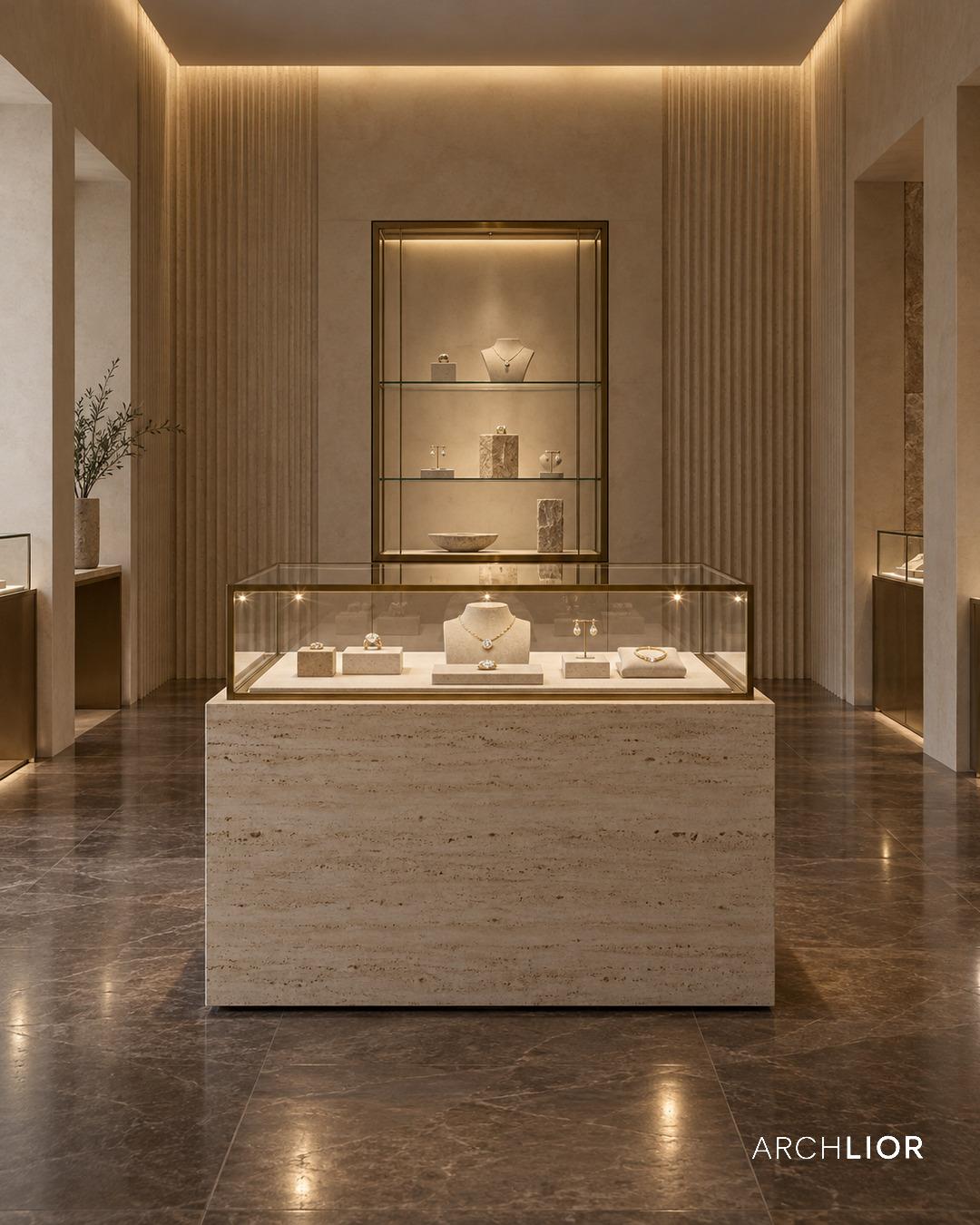
Ask a jeweller what they want from lighting and the answer is one word: sparkle. Ask a lighting designer what creates sparkle and the answer is not a wattage or a lux figure. It is small, bright, directional sources, aimed so that a moving customer sees flashes of light returned from the merchandise. A jewellery store is the purest case of a rule that runs through all retail lighting: you do not see light, you see what light does to surfaces.
This guide covers how to light a jewellery store or a jewellery counter, the numbers worth checking, and the mistakes that leave expensive stock looking like costume.
General Light: Quieter Than You Think
The showroom floor is a workplace before it is a stage. BS EN 12464-1, the European standard for indoor workplace lighting, lists 300 lx for retail sales areas and 500 lx at the till, with a colour rendering minimum of Ra 80. That is the baseline for circulation and staff tasks, and it is deliberately modest: the general light exists so that the accent light has something to rise above.
The most common failure in jewellery lighting is an ambient scheme that is too bright and too even. If the whole floor runs at the same level as the displays, nothing glints, because sparkle needs contrast between the object and its surroundings. Keep the floor calm and let the cases and displays carry the drama.
The Case: Where the Sale Happens
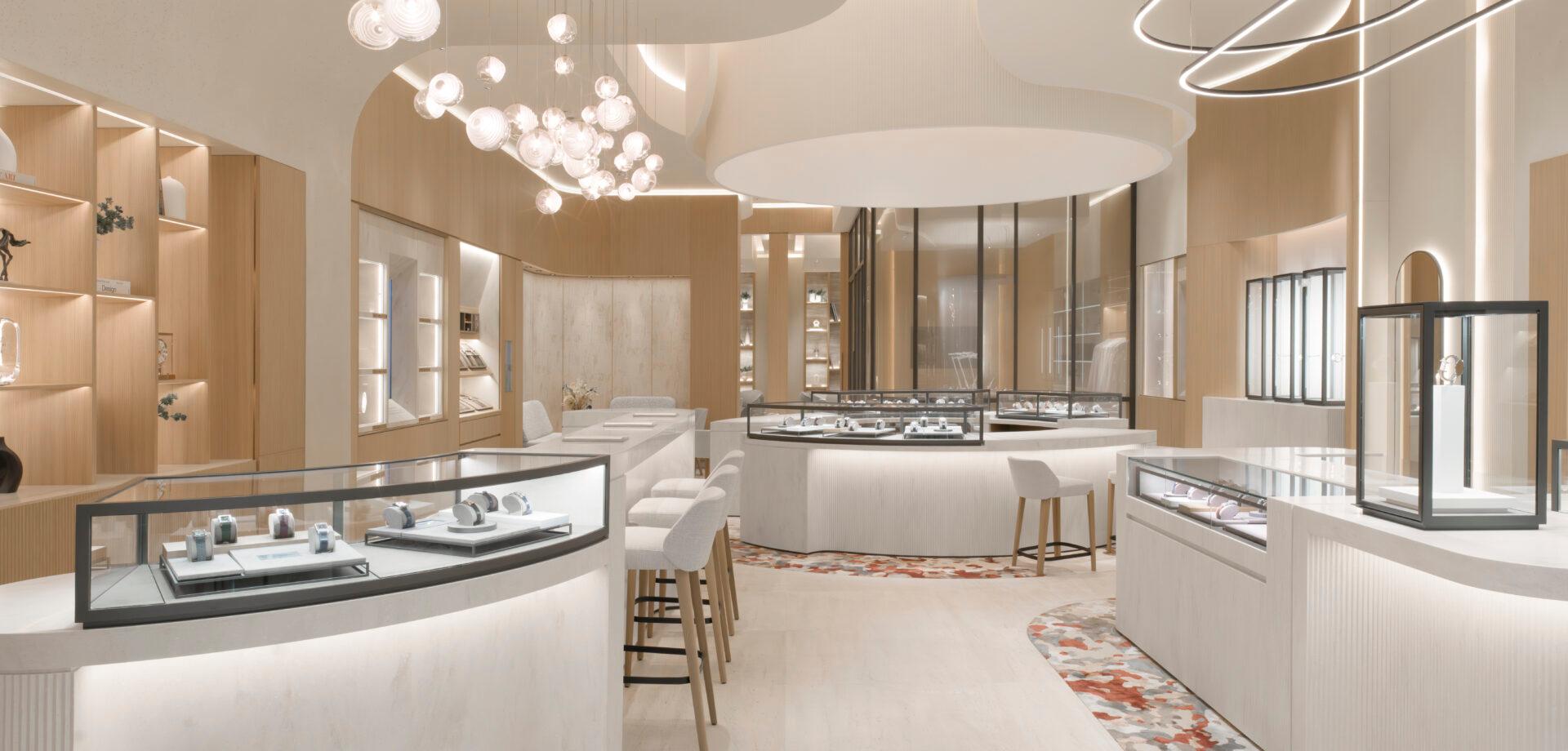
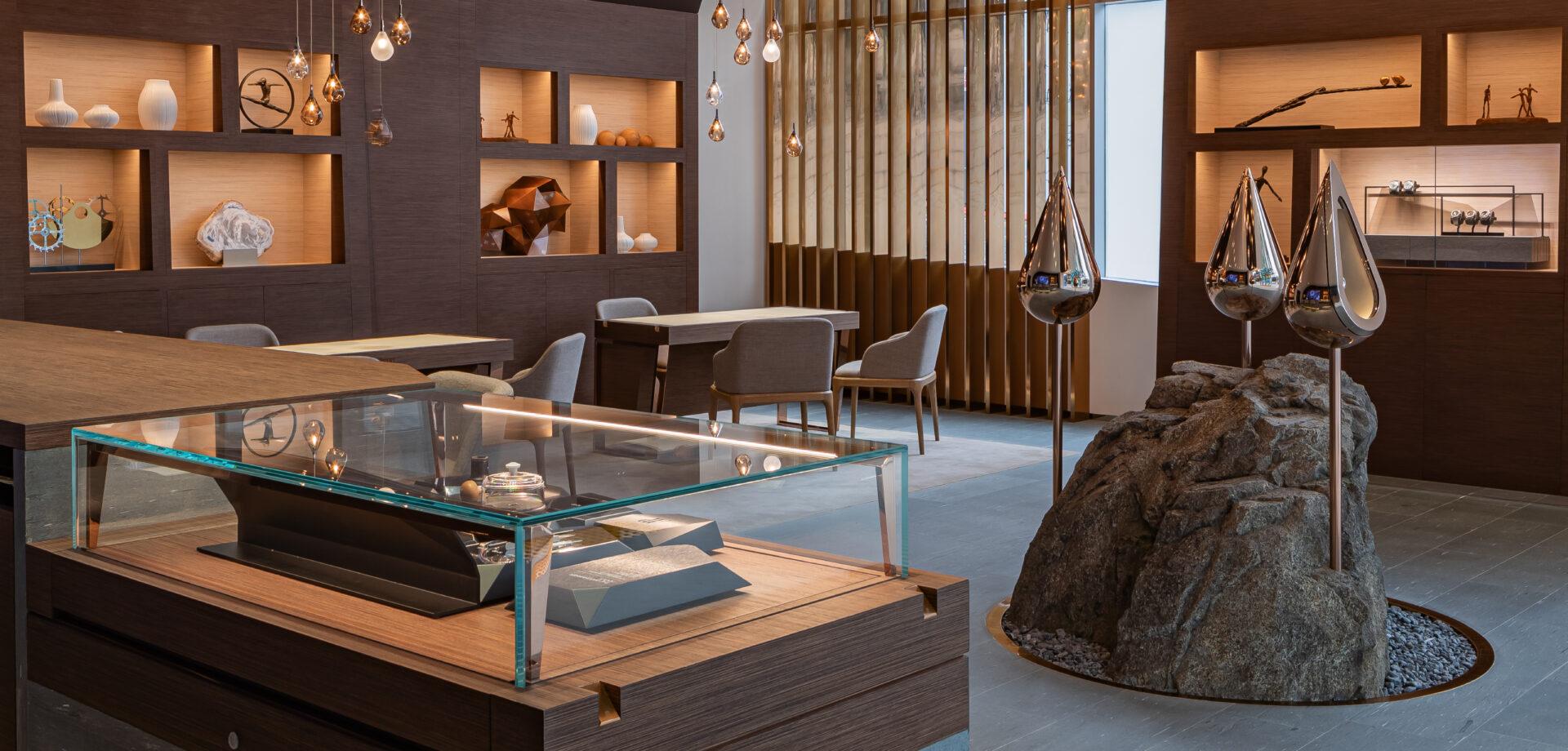
A jewellery display case is a small theatre with glass walls. Three things decide whether it works.
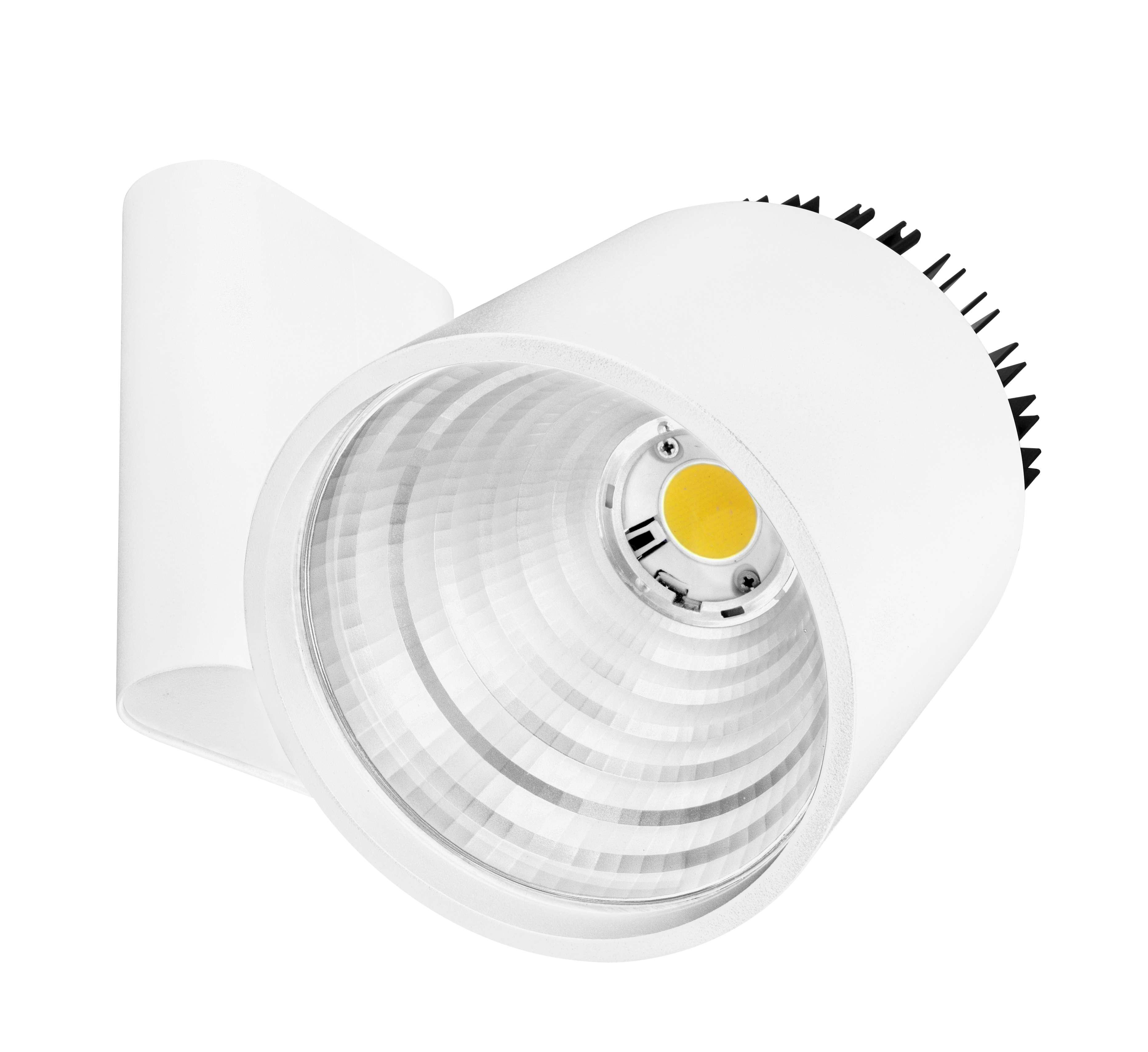
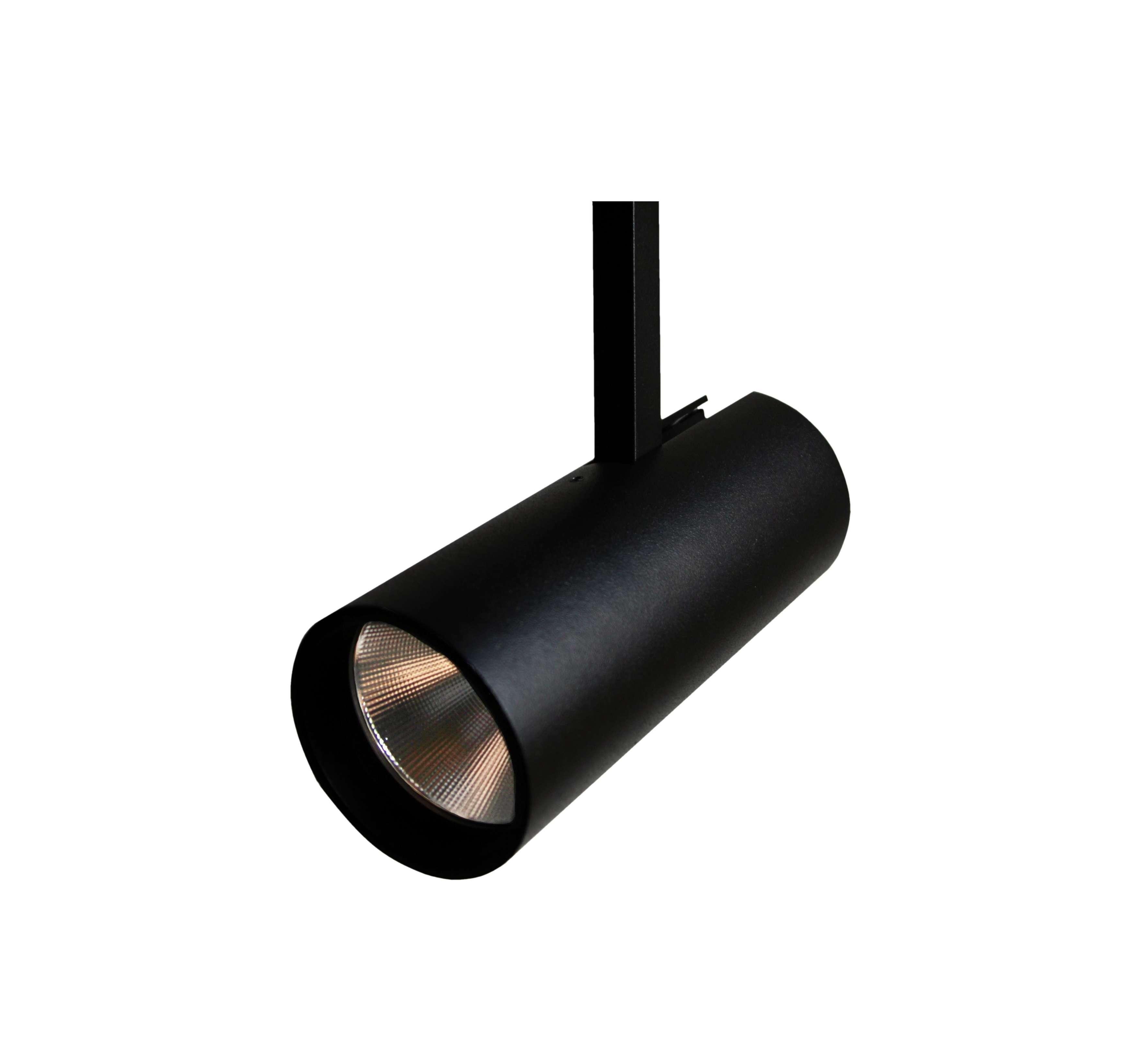
First, direction. Diamonds and faceted stones return light to the eye from specific angles, so they respond to small, intense, directional sources rather than to diffuse panels. Manufacturer guidance for jewellery lighting consistently recommends point-source accent fittings over uniform washes for exactly this reason: facet patterns read as flashes when the source is compact, and go flat when the source is large and diffuse.
Second, position. The source should sit so the customer looking into the case sees the returned light, not the fitting itself or its reflection in the glass. This is a mock-up problem, not a catalogue problem: a centimetre of movement changes what the customer sees, and no datasheet can settle it on paper.
Third, damage control. Cases are small, hot volumes. Conservation guidance for light-sensitive objects sets a maximum ultraviolet content of 75 microwatts per lumen and recommends limiting cumulative exposure, measured in lux hours, because light damage is irreversible. Most jewellery is not light-sensitive, but watches with lacquered dials, organic materials like pearl, coral, amber and ivory, and the textiles and papers used in display pads all are. Modern LEDs emit negligible UV compared with daylight or halogen, and their low radiant heat is gentler on both stock and the customer leaning over the case.
Colour: Match the Light to the Metal
Colour temperature is a merchandising decision in a jewellery store. Warm light, around 2700K to 3000K, flatters yellow gold and warm skin tones. Neutral white, around 3500K to 4000K, keeps platinum, white gold and silver from picking up a yellow cast. Many stores run a neutral ambient and tune each case to its contents.
Whatever temperature you choose, colour rendering has to be excellent, because customers judge gemstones by colour and will hold a ring up to the window light before they buy. For colour-critical retail, specify Ra 90 or above as a minimum, and ask for a TM-30 report, which shows how the source renders a much wider set of colours than the eight behind the CRI average. Our CRI vs TM-30 guide explains why the single CRI number leaves red out, and why that matters for rubies as much as for food.
The Window: Two Opposite Shifts
A jewellery window works against daylight by day and against darkness by night, like every shop window. By day the display competes with the street and needs serious intensity; after dark it needs contrast, not power, because the street itself goes dark. Our shop window lighting guide covers the day-night balance and the rules that apply to the glass; the jewellery version simply takes the principle further, because the stock is small and every lumen has to land on it.
The Trying-On Moment
Jewellery is bought in the mirror, not in the case. Somewhere in the store, a customer holds a piece up to their hand, their neck, their ear. That spot deserves its own light: soft, frontal, high-CRI light on the person, at a colour temperature that flatters skin, with no downlight directly overhead carving shadows under the eyes. It is the same problem as lighting a face for video, and the same answer: light the vertical plane, from the front, gently.
Checklist
- Ambient designed to BS EN 12464-1 retail levels: around 300 lx on the sales floor, 500 lx at the till, Ra 80 minimum for the workplace baseline.
- Accent sources small, directional and bright, so faceted stones return flashes; diffuse panels reserved for general light.
- Every case mocked up with real glass and real stock before the fitting schedule is frozen.
- Colour temperature chosen per case contents: warm for yellow gold, neutral for white metals and diamonds, no mixing within one view.
- Colour rendering at Ra 90 or above with a TM-30 report for the accent scheme.
- Heat and UV checked inside closed cases; conservation guidance limits UV to 75 microwatts per lumen for sensitive materials.
- A dedicated, flattering light for the mirror or consultation desk where pieces are tried on.
Five Mistakes
- Lighting the whole store to case level. Uniform brightness kills sparkle, because sparkle is contrast.
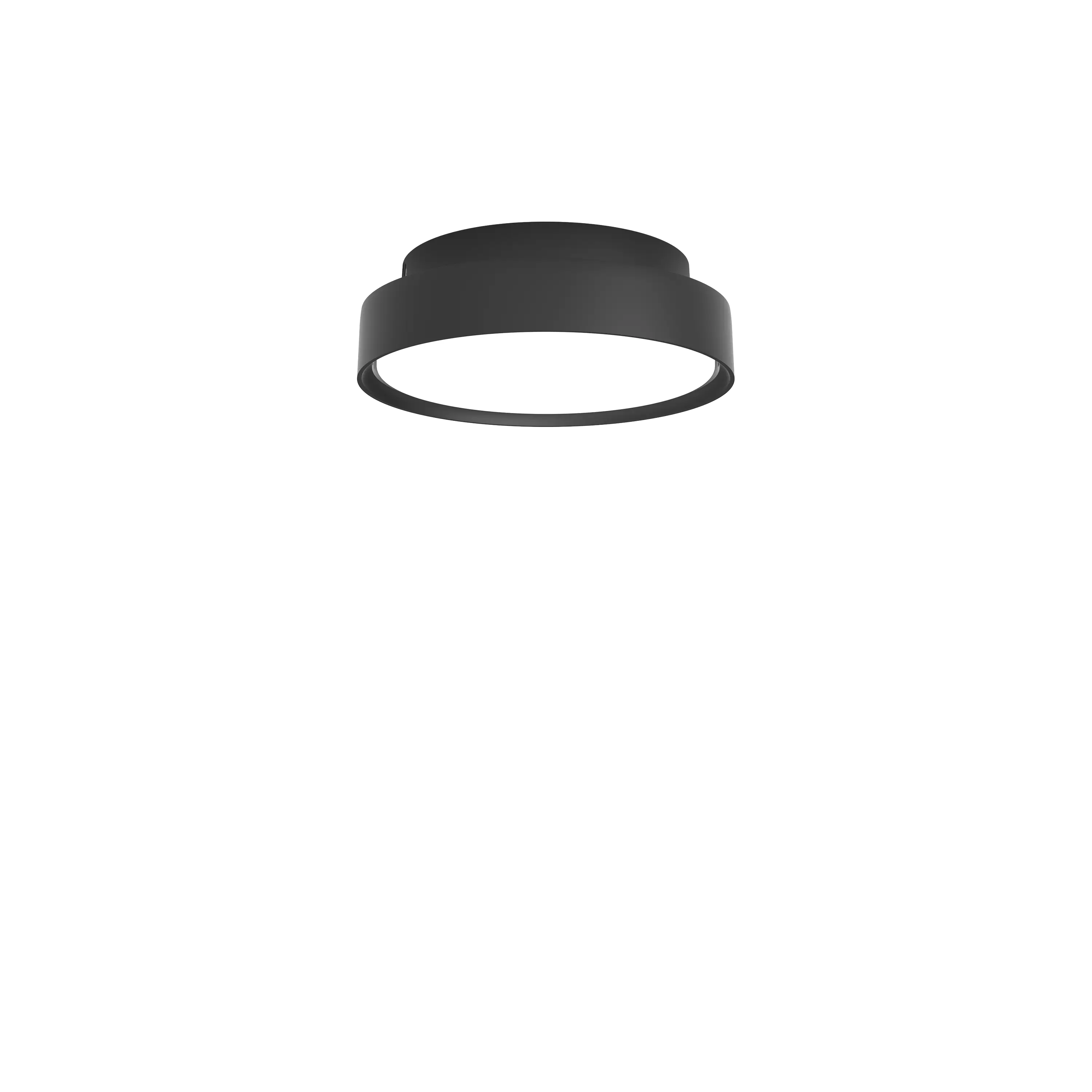
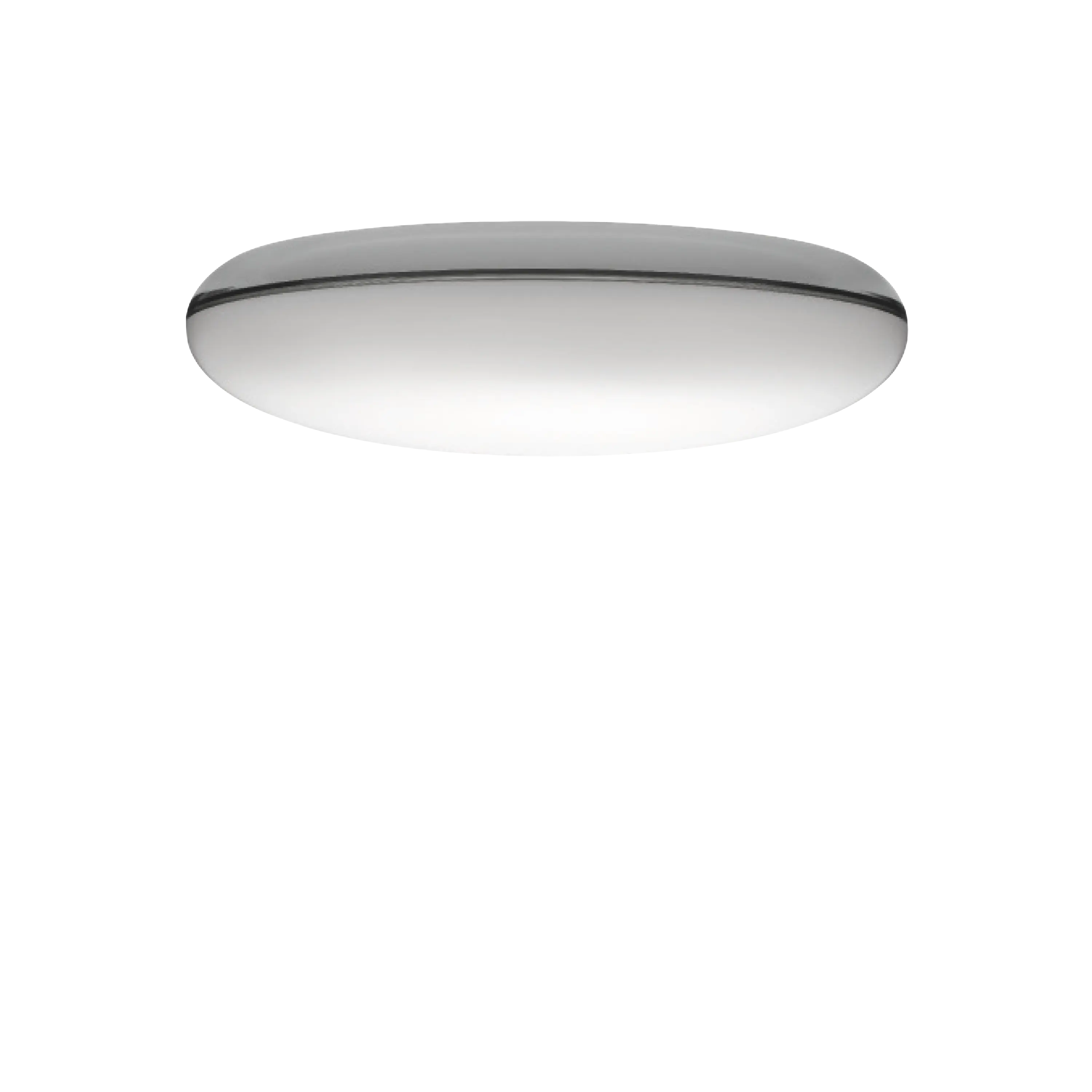
- A diffuse lightbox over the display. It renders metal well and diamonds dead: large sources spread reflections into a haze instead of points of fire.
- Putting the fitting where the customer sees it. A visible source in the glass costs more in lost sales than it saves in positions.
- Ignoring the mirror. The case creates desire; the trying-on light closes the sale, and it is usually the worst-lit spot in the store.
- Forgetting what is inside the case. Pads, ribbons and papers fade under cumulative exposure, and a tired display pad undermines the merchandise on it.
Frequently Asked Questions
How bright should a jewellery store be? BS EN 12464-1 lists 300 lx for retail sales areas and 500 lx at tills as the workplace baseline. Display cases are then lit well above the ambient level, because sparkle depends on the contrast between the object and its surroundings rather than on any absolute figure.
What colour temperature is best for jewellery? It depends on the merchandise. Warm white around 2700K to 3000K flatters yellow gold; neutral white around 3500K to 4000K suits platinum, white gold and silver. Many stores keep the ambient neutral and tune each case.
What CRI do you need for jewellery? Specify Ra 90 or above for colour-critical retail, and ask for a TM-30 report. The CRI average is built on eight test colours with no strong red; TM-30 shows rendering across a far wider set, which matters when customers judge gemstones by colour.
Do LED lights damage jewellery? Metals and most gemstones are not light-sensitive, but organic materials such as pearl, coral and amber, and the textiles and papers used in displays, can be. Conservation guidance caps ultraviolet content at 75 microwatts per lumen and limits cumulative exposure in lux hours; LEDs emit negligible UV and little radiant heat compared with halogen, which is one reason they suit closed cases.
Why do diamonds look flat under some lights? Faceted stones return light from specific angles, so they need small, bright, directional sources to produce flashes. Large diffuse sources spread the reflections into a uniform haze, and the stone looks lifeless even at high illuminance.
Sources and further reading
- BSI. BS EN 12464-1, Light and lighting. Lighting of work places, indoor work places: illuminance and colour rendering requirements for retail sales areas and tills.
- CCAHA (Conservation Center for Art & Historic Artifacts). Light Exposure for Artifacts on Exhibition: ultraviolet limit of 75 microwatts per lumen, sensitive-object illuminance of 50 to 100 lux, and cumulative exposure in lux hours.
- Illuminating Engineering Society. ANSI/IES TM-30, Method for Evaluating Light Source Color Rendition.
- Fagerhult. Light Guide: Jewellery Shops, a manufacturer's application guide to accent direction, point sources and display cases.
- Archlior. CRI vs TM-30: What the Colour Rendering Number Leaves Out; Shop Window Lighting: Brighter by Day, Dimmer by Night.
Notice
This article is for general information, not project-specific design, engineering, electrical-safety or medical advice. Examples are illustrative and do not guarantee performance, compliance or health outcomes. Verify current specifications and applicable requirements with manufacturers and qualified professionals before purchase or installation. To the extent permitted by law, Archlior accepts no liability for loss arising from reliance on this content. Nothing here excludes liability that cannot lawfully be excluded.